Winter: guard against freezing and pressure spikes
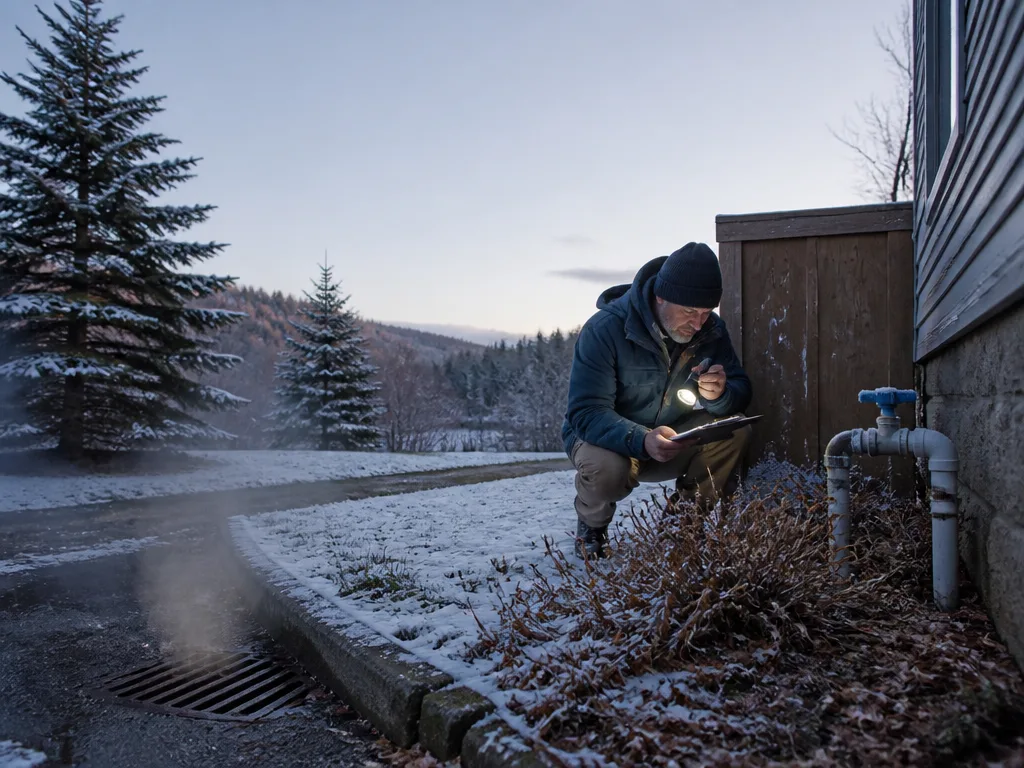
In Vermont, winter is the big risk. Freezing temperatures can cause pipes to expand and contracts, which stresses joints. Keep a steady heat in crawl spaces, basements, and laundry rooms; insulate exposed piping when possible. A small heat source near vulnerable lines can prevent freezing, but be mindful of safe placement. If you’re leaving for an extended period, let a faucet drip a little to prevent a freeze in exposed sections.
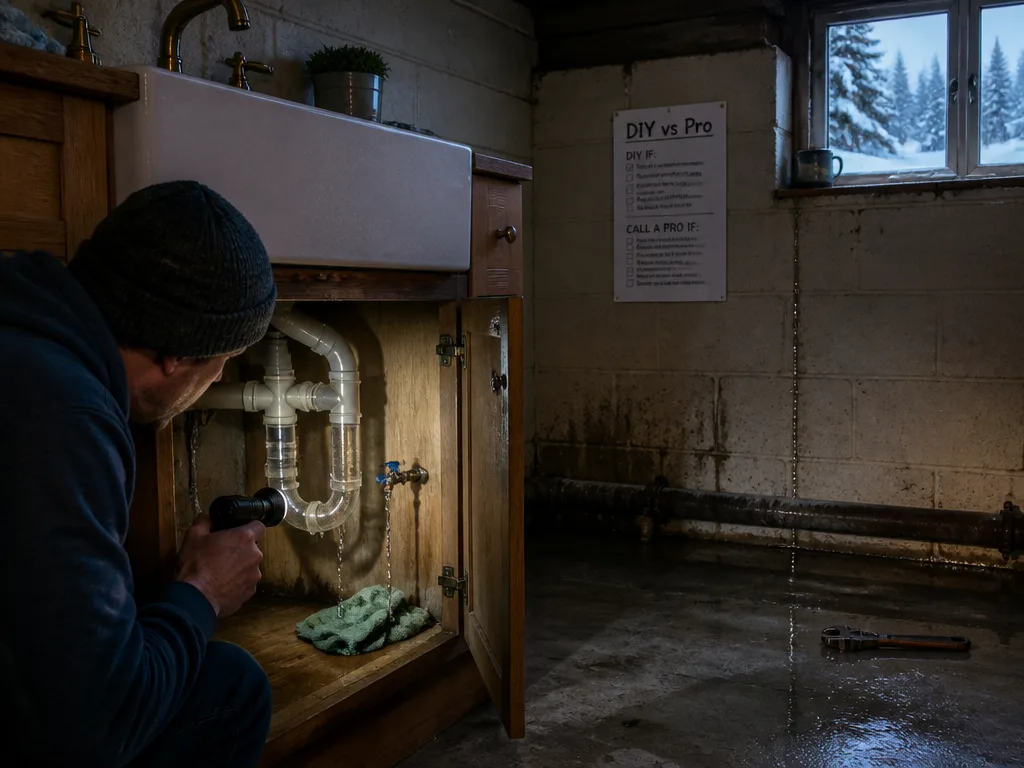
Check the valve area and inspect for small drips that may indicate a developing leak. A professional from Vermont Backwater Valve Installation can perform a seasonal inspection statewide, ensuring your protective devices function well when the nights get cold.
Spring: address thaw and rain challenges
Spring brings thaw and heavier rainfall across Vermont. Backups and sump issues can surface as water tables rise. Clean out any leaves near exterior drainage and make sure yard grading directs water away from the home. A blocked outdoor drain can push water toward the interior and strain the main line. If you notice slow drains after a rain, it’s a good time to have the system checked by a plumber with statewide expertise.
During the spring, a professional inspection can verify backflow prevention devices are clean and correctly positioned. Vermont Backwater Valve Installation can review and service these components so you’re ready for the season without guesswork.
Summer and fall: maintenance cadence
Summer heat can dry out and stress seals, while fall debris can threaten outdoor lines. A routine checkup helps catch wear before it becomes a problem. Simple habits like keeping outdoor vents clear and scheduling a mid-year service keep your system healthy. We recommend a statewide check every year or two, depending on your home’s age and the local climate in your area within Vermont.
For homes with a backwater valve or protective devices installed, an annual test keeps everything calibrated. Our crews across Vermont are ready to help with testing, minor adjustments, and clear explanations of what you need to know to keep your system reliable through the seasons.
Putting it into practice
Every Vermont home benefits from practical steps: don’t pour grease into sinks, use strainers, and keep an eye on unusual noises or damp spots. If you’re unsure about any seasonal issue, reach out to Vermont Backwater Valve Installation for a statewide assessment. We’ll set up a plan that fits your home, your budget, and the Vermont climate you live in.